By Regina Karchner, LICSW
Key Takeaways
- Childhood brain tumor survivorship is the long arc of life after treatment ends, not the moment it ends. Finishing treatment and ringing the bell is a milestone, but survivors and families often face years of medical, cognitive, and emotional needs afterward.
- Late effects of childhood brain tumors can reshape daily life. Survivors may navigate changes in vision, hearing, balance, learning, and impulse control long after the tumor is treated.
- Psychosocial and bereavement support are essential, not optional. Brain tumors remain the leading cause of cancer-related death in children, so support for survivors and for grieving families is part of the work, not an afterthought.
- Community changes the trajectory of survivorship. Connection with people who understand the journey builds confidence, reduces isolation, and reminds survivors and families that they are not alone.
I sometimes feel like I was born to be an advocate in the oncology community.
When I was three years old, my father—a brain tumor survivor—experienced a recurrence and passed away. Nearly twenty years after his original diagnosis, I was diagnosed with the very same tumor. By then, research had advanced. There were more treatment options, therapies were less toxic, and survival rates had improved—because research moved forward, because people pushed for better, because advocacy didn’t stop.
Yes, more children are surviving cancer than ever before, and that matters. The end of treatment is often a moment of celebration for families—a time when it feels like the hardest battle has been won and life can return to normal. From the outside, people tend to see survivorship as the “happy ending.” You finish treatment, you ring the bell, and life goes back to normal.
Survivorship tells a more complicated story.
What Does Survivorship Really Look Like After a Childhood Brain Tumor?
Childhood brain tumor survivorship refers to everything that comes after active treatment: the long-term medical follow-up, the late effects of therapy, and the emotional and social rebuilding that a child and family go through for years. It is a stage of care, not a finish line.
A childhood cancer diagnosis doesn’t end with treatment. My experience—as a bereaved child, as a patient, and an oncology social worker—has given me a unique perspective. These experiences point to the same thing: we’ve made incredible progress, but we’re not done. Not even close. Today, more than 75% of children diagnosed with a brain tumor will survive at least five years—a number that would have been hard to imagine a generation ago. But survival is only part of the story.
Progress isn’t just about helping people live longer. It’s about helping them live better. It’s about survivorship. It’s about ensuring that children and families don’t just get through cancer, but have the support they need to truly live beyond it. Surviving cancer shapes the trajectory and quality of a survivor’s life in profound ways.
What Are the Late Effects of Childhood Brain Tumors?
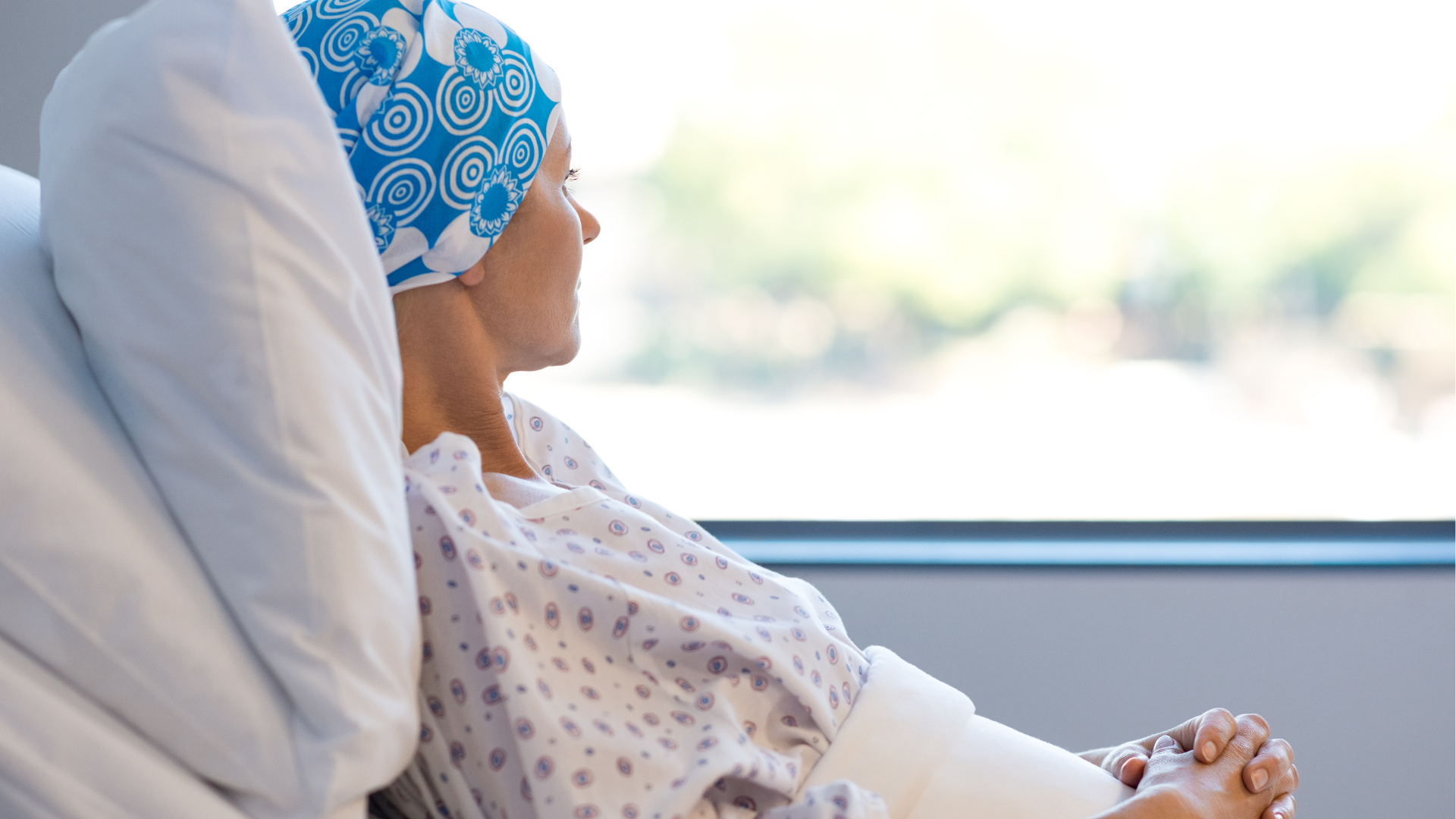
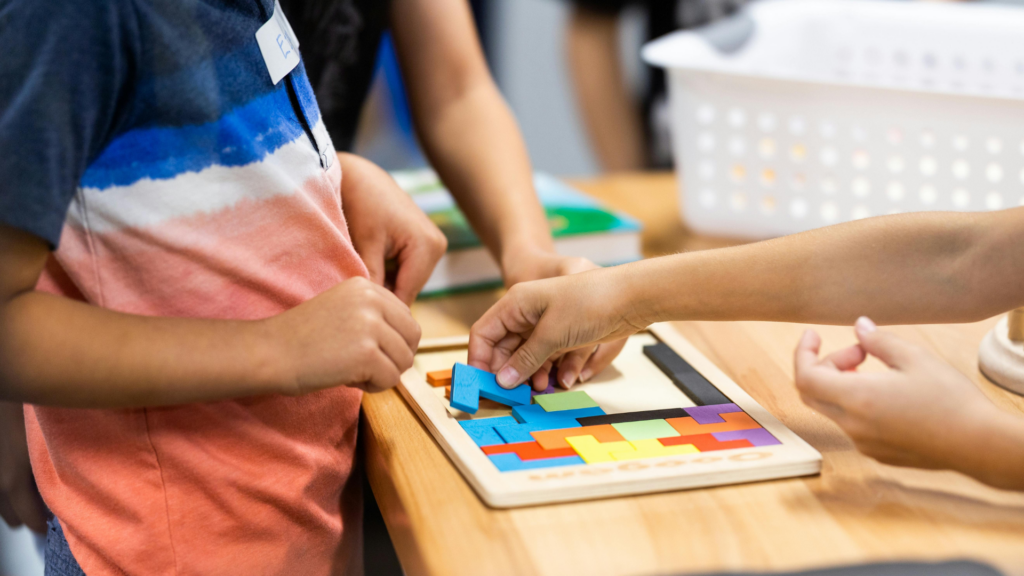
These children who have survived brain tumors have to adapt to a new normal because, now all of a sudden, they may be struggling with vision, hearing, balance, learning disabilities, impulsivity—the list goes on. Parents suddenly wake up with a special needs child. This isn’t rare. Survivors of childhood brain tumors are among the most likely of all cancer survivors to live with long-term neurological and cognitive effects, in part because treatment reaches a brain that is still developing.
But “normal” doesn’t really exist anymore. Afterward, it can feel like you’re expected to just… move on.
But it’s not that simple. We have to start paying more attention to what life looks like after treatment.
- What kind of support are families getting long-term?
- What resources are available for the late effects of treatment?
- How are we helping people rebuild their lives—not just medically, but emotionally?
For me, this isn’t theoretical. It’s personal. It’s shaped by loss, by experience, and by a very clear understanding of what progress actually looks like over time.
Why Does Psychosocial Support Matter for Survivors?
As a teenage brain tumor survivor in the 1990s, psychosocial support for childhood brain tumor survivors was almost nonexistent. I vividly remember a psychologist telling me that survivors didn’t get married. That moment sparked a kind of quiet panic about what my future might hold. The small group of teens I met who had survived brain tumors often struggled—socially isolated, facing challenges in school, and misunderstood by professionals who attributed their difficulties to “behavior issues” rather than neurological impacts like posterior fossa syndrome.
Posterior fossa syndrome is a real, well-documented condition that can follow surgery for tumors at the back of the brain, affecting speech, movement, and emotion—and it is far too often mistaken for a child simply acting out.
There was an underlying sense of hopelessness. Many families had never expected their children to survive into adolescence, and long-term survivorship itself was still a relatively new concept.
Everything changed when I found the Children’s Brain Tumor Foundation (CBTF). They were leading the way in addressing the long-term needs of survivors and, for the first time, I saw not just hope—but a path forward. From that moment on, I knew I wanted to be part of that work. I focused my education and career with that goal in mind—studying social work and gaining experience in neurology, oncology, and palliative care. In 2019, I came full circle when I joined CBTF as a Social Worker, the very organization that helped shape my vision for the future.
How Does Community and Belonging Change Survivorship?
CBTF fosters connections and builds community for survivors, siblings, and caregivers. CBTF’s teen program is extra special. Throughout the year, CBTF hosts monthly teen groups and teen leadership groups. The teens learn advocacy and leadership skills, improve overall emotional health and share their experiences with others who truly understand their journey. Each summer, the teen survivors come together for sleepaway camp and solidify those friendships.
“For once, I don’t feel like the ‘different’ kid who has to explain himself. People actually get it. Meeting others who are further along in their journey gives me hope and reminds me that I’m not alone—and that maybe, just maybe, things can get better. I’m really grateful for CBTF because it gave me back something I thought I lost: belonging. Finding a community that truly understands means everything to me. CBTF has given me comfort, connection, and hope. And after everything, that’s the one thing I’ll never stop being thankful for.”
-Anonymous Teen, CBTF Program Participant
And that sense of belonging? It’s everything. Research on children and adolescents shows that a strong sense of belonging is linked to better mental health, higher self-esteem, and more positive social outcomes.
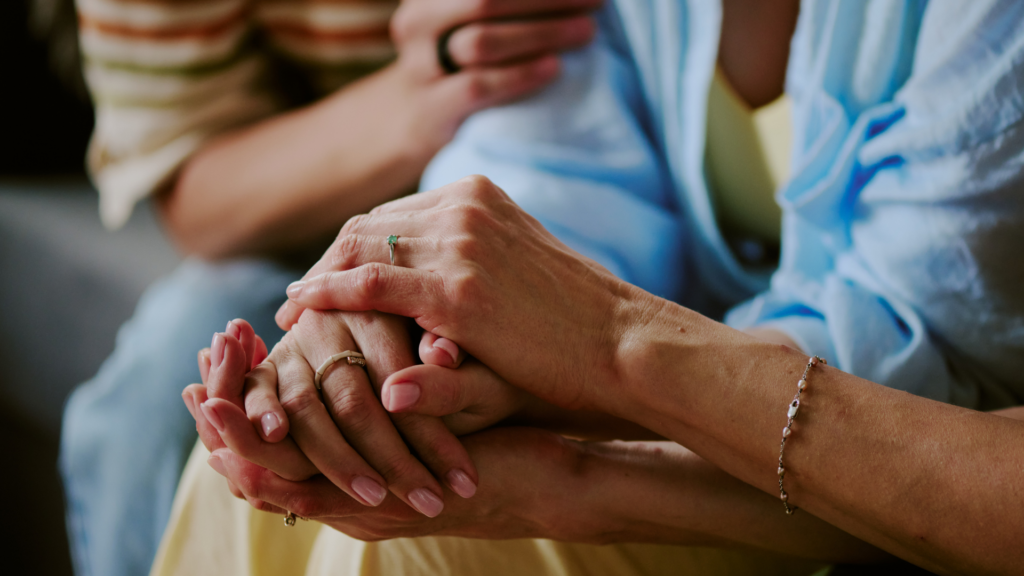
Because even having just one person who understands you—one person who sees you—can change how you see yourself. It builds confidence. It reminds you that you’re not alone. That you’re worthy of connection and friendship.
Why Is Bereavement Support Essential?
At the same time, we can’t ignore the harder reality: brain tumors are still the leading cause of cancer-related death in children.
Which is why bereavement support isn’t optional—it’s essential.
Fellow CAC2 organizations such as Gift From A Child help families find meaning through tissue donation after loss. Judi’s House provides critical grief support for children and families. This kind of care matters just as much as anything we do during treatment. I am grateful to have these resources for the families I work with.
Why We Are Stronger Together
Like many others, I didn’t choose the oncology world—it found me. Like many other CAC2 members, my passion for this work runs deep. I care deeply about advancing medical research, improving end-of-life care, raising awareness, and strengthening psychosocial support for children and families navigating cancer. This work is not just professional for me—it is personal. And it is a responsibility I carry with purpose. That’s why I’m so grateful to be part of CAC2. Being part of a community that is committed to children and families matters. The shared resources, the collaboration, the connection—it all makes the work stronger.
Because none of us can do this alone.
And the truth is, we shouldn’t have to.
At CBTF, we say it all the time: We are stronger together. And I believe that—because I’ve lived it.
Frequently Asked Questions About Self-Advocacy After Childhood Cancer
What is childhood brain tumor survivorship?
Childhood brain tumor survivorship is the period of life after active cancer treatment ends. It includes long-term medical monitoring, managing the late effects of treatment, and the emotional and social rebuilding that survivors and their families experience over many years. Survivorship is a stage of ongoing care, not a finish line.
What are the late effects of childhood brain tumors?
Survivors of childhood brain tumors may experience long-term effects such as changes in vision, hearing, balance, learning, memory, and impulse control. These late effects can appear or evolve years after treatment and often require ongoing educational, medical, and emotional support.
Are brain tumors the leading cause of cancer death in children?
Yes. Brain and central nervous system tumors are the leading cause of cancer-related death among children and adolescents in the United States, which is why long-term research, survivorship care, and bereavement support remain so urgent.
Where can families find support after a childhood brain tumor?
Families can find help through organizations dedicated to survivorship and bereavement, including the Children’s Brain Tumor Foundation and fellow Coalition Against Childhood Cancer (CAC2) member organizations such as Gift From A Child and Judi’s House. Support ranges from peer mentoring and teen programs to grief counseling for children and families.
What is posterior fossa syndrome?
Posterior fossa syndrome is a set of neurological effects that can follow surgery for tumors located in the back of the brain. Its symptoms are sometimes mistaken for behavioral issues, which is why awareness among educators and professionals matters for survivors.
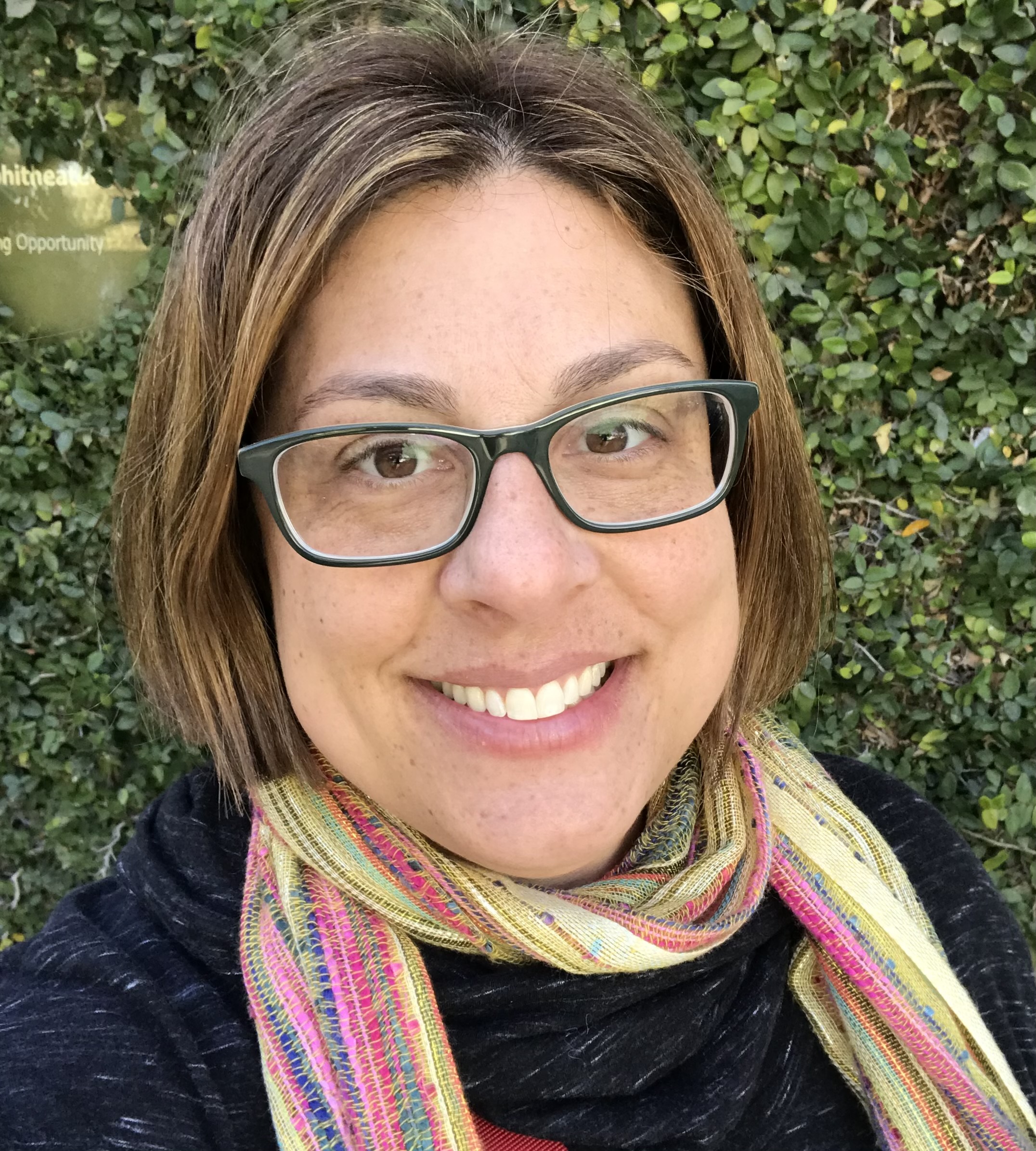 Regina Karchner, LICSW is the Western Social Work Coordinator at Children’s Brain Tumor Foundation (CBTF).
After spending most of her career working in hospital settings and over 20 years volunteering for CBTF, Regina finally joined CBTF as Staff in March 2019. As a Social Worker at CBTF, Regina focuses on quality of life programming, building a community for brain tumor families, and as Member of the Alliance for Childhood Cancer, working on policy and research to advance childhood cancer efforts.
When her social work hat is off, Regina enjoys traveling with her family.
Regina completed her undergraduate degree in Psychology from Bucknell University and her Masters in Social Work from Columbia University.